Every dog park has them: the regulars everyone is glad to see, whose dogs get welcomed into every play group, and whose arrival somehow makes the whole enclosure calmer. None of it is luck. Park reputations are built from dozens of small, repeated courtesies that most posted rule signs never mention. After years of morning sessions at parks across several states, and plenty of conversations with the people who quietly run them, here are the nine unwritten habits that separate the beloved regulars from the tolerated visitors.
1. Do a Lap Before You Unclip
The best regulars never open the gate and release the hound in one motion. They walk the fence line first — thirty seconds to read the room. Is there a tense stiff-tailed standoff brewing near the water station? A puppy being overwhelmed? An owner clearly struggling to leash up and leave? Entering during a bad moment adds fuel; waiting ninety seconds costs nothing. Dogs also enter calmer after a short perimeter walk, because arousal at the gate is the number-one spark for scuffles.
2. Watch Your Dog, Not Your Phone
Ask any park steward for the single biggest problem and this is the answer before you finish the question. Dog body language escalates in seconds, and the owner mid-scroll is always the last to know their dog was involved. The regulars everyone trusts narrate their dog’s day with their eyes: they can tell you who their dog played with, who annoyed whom, and when it is time to go. That awareness is what lets small tensions get interrupted while they are still small.
3. Pick Up Instantly — and Carry Real Equipment
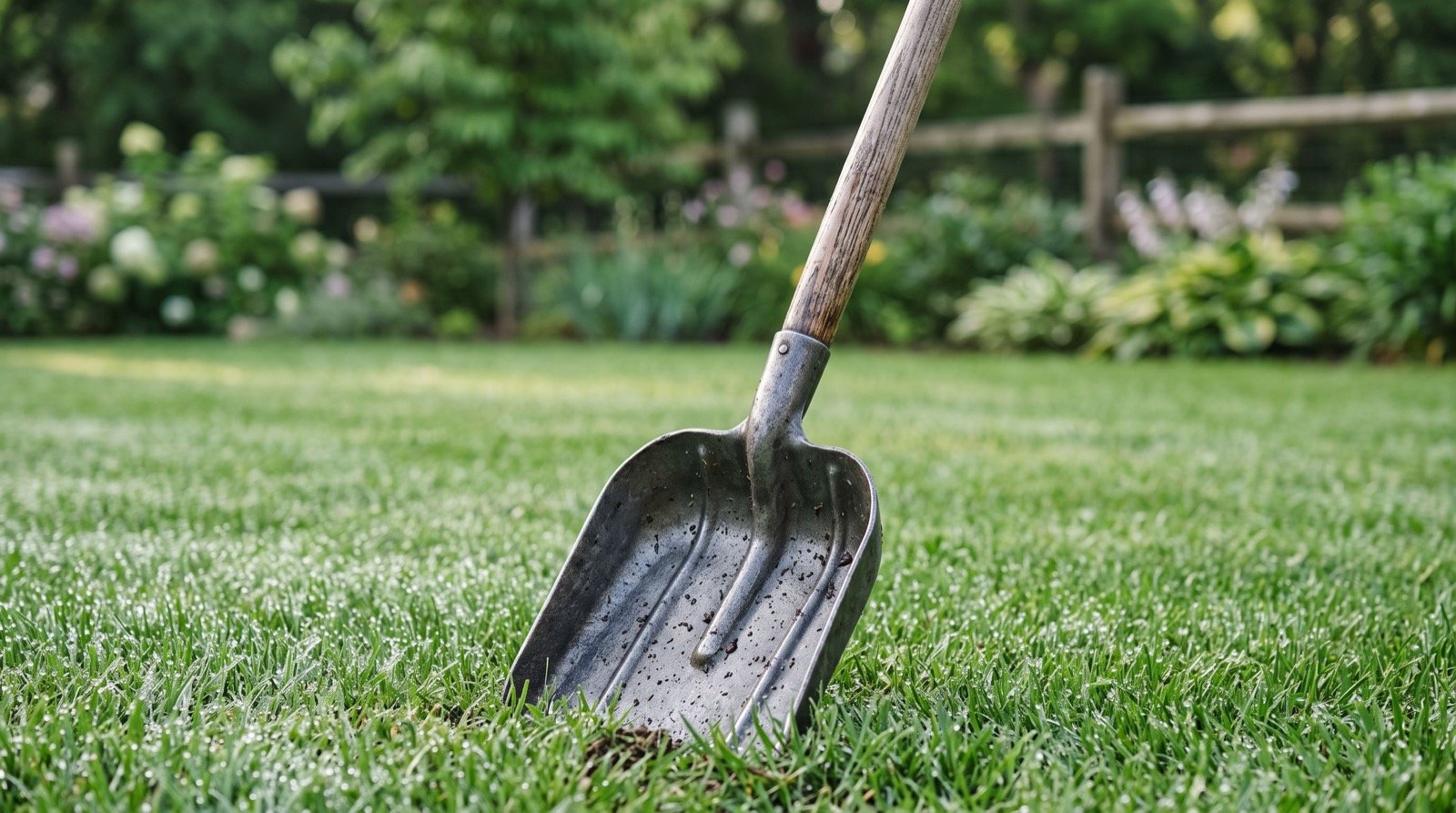
Nothing torpedoes a park reputation faster than the slow look-around after your dog squats. The respected regulars are almost theatrical about immediate pickup, and the most prepared among them do not even rely on flimsy pocket bags: more than a few show up with proper gear, the way one Ohio regular famously kept an Arm and Hammer Pooper Scooper clipped to her park bag so she could clear her dog’s mess — and the anonymous orphan piles nearby — without ever touching anything. Picking up one extra deposit that is not yours is the cheapest goodwill purchase in the entire dog world.
4. Know Your Dog’s Play Style — and Its Limits
Body-slammers, chasers, wrestlers, and keep-away artists all have legitimate play styles, but they do not all mix. The courteous move is matching your dog to compatible groups and recognizing when your dog is “too much” for the current crowd. A dog repeatedly pinning, mounting, or cornering others is not “just playing” if the other dog is trying to escape. The regulars everyone respects will cheerfully call their own dog out of a group, which paradoxically is exactly why their dogs stay welcome.
5. Leave the Toys and Treats in the Car
High-value items transform a peaceful enclosure into a resource-guarding tournament. Even a dog with zero guarding behavior at home can flip when six strange dogs converge on its tennis ball. The same goes for handing treats to other people’s dogs without asking — allergies, training diets, and food aggression are all invisible until they are not. If your dog needs a reward for recall practice, step outside the fence to deliver it.
6. Respect the Small-Dog Side
The divided park exists because a size mismatch can turn a normal play move into an emergency. Bringing a large dog into the small side because “he’s gentle” misses the point: it is not about your dog’s intentions, it is about physics and about the comfort of every small-dog owner who came to that side specifically for safety. The reverse also applies — a bold small dog harassing giants in the large enclosure is not brave, it is a liability its owner should manage.
7. Handle Scuffles Like an Adult
When dogs do clash, the etiquette is: separate calmly, avoid grabbing collars from the front, check both dogs, and exchange information without assigning blame in the heat of the moment. Most incidents are mutual and minor. The regulars who handle a scrape with grace — offering their contact, checking on the other dog the next day — become more trusted after an incident, not less. The ones who scoop up their dog and speed-walk to the parking lot are remembered too, just differently.
8. Contribute to the Commons
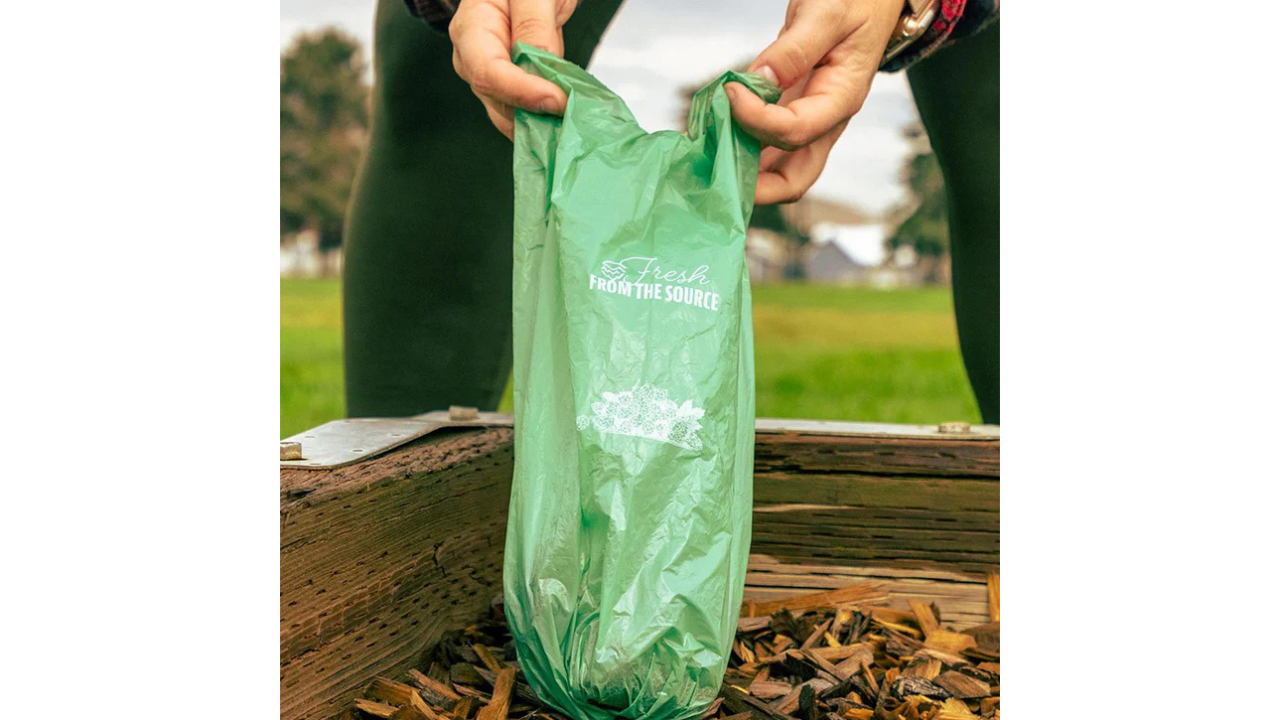
Community parks run on invisible labor: someone refills the water buckets, reports the broken latch, restocks the bag dispenser, and organizes the spring cleanup day. Join that layer, even lightly. Toss a spare roll of bags in the dispenser once a month, or bring a Dog poop bag surplus when you know the dispenser runs dry on weekends. Parks with an active regular crew stay open, stay clean, and stay funded; parks without one accumulate complaints until the city quietly locks the gate.
9. Know When Not to Come
The final courtesy is the hardest: some days your dog should stay home. Females in heat, dogs recovering from illness, dogs with a contagious anything, under-vaccinated puppies, and dogs having an off, irritable day all belong elsewhere for now. The same discipline applies to you — if you cannot supervise today, skip today. Choosing the right moment and the right resource is a life skill in general; it is the same judgment people apply when picking reliable local experts for anything that matters, and your dog’s social life deserves no less care.
The Pocket Checklist for Every Visit
Nine habits are a lot to juggle mid-visit, so the regulars compress them into a quick pre-gate ritual. Before unclipping, run this list:
- Lap the fence and read the room before entering.
- Phone in the pocket, eyes on the dog.
- Bags on the leash, plus two spares for orphan piles.
- Toys and treats stay in the car.
- Right side of the fence for your dog’s size.
- Exit plan ready: know your dog’s “done for the day” signals.
Six items, fifteen seconds, and it covers nearly every situation an ordinary park day can produce. Print it on an index card if you like — more than one park bulletin board already has a homemade version pinned up by an anonymous regular who got tired of watching the same preventable messes repeat.
The Compounding Return
None of these nine habits is difficult, and that is precisely the point: park standing is not earned through grand gestures but through boring, repeated reliability. Do these things for a month and you will notice the shift — regulars greeting your dog by name, play groups opening to include you, and the whole enclosure relaxing slightly when you walk in. That is the quiet currency of the dog park, and it never stops paying interest.